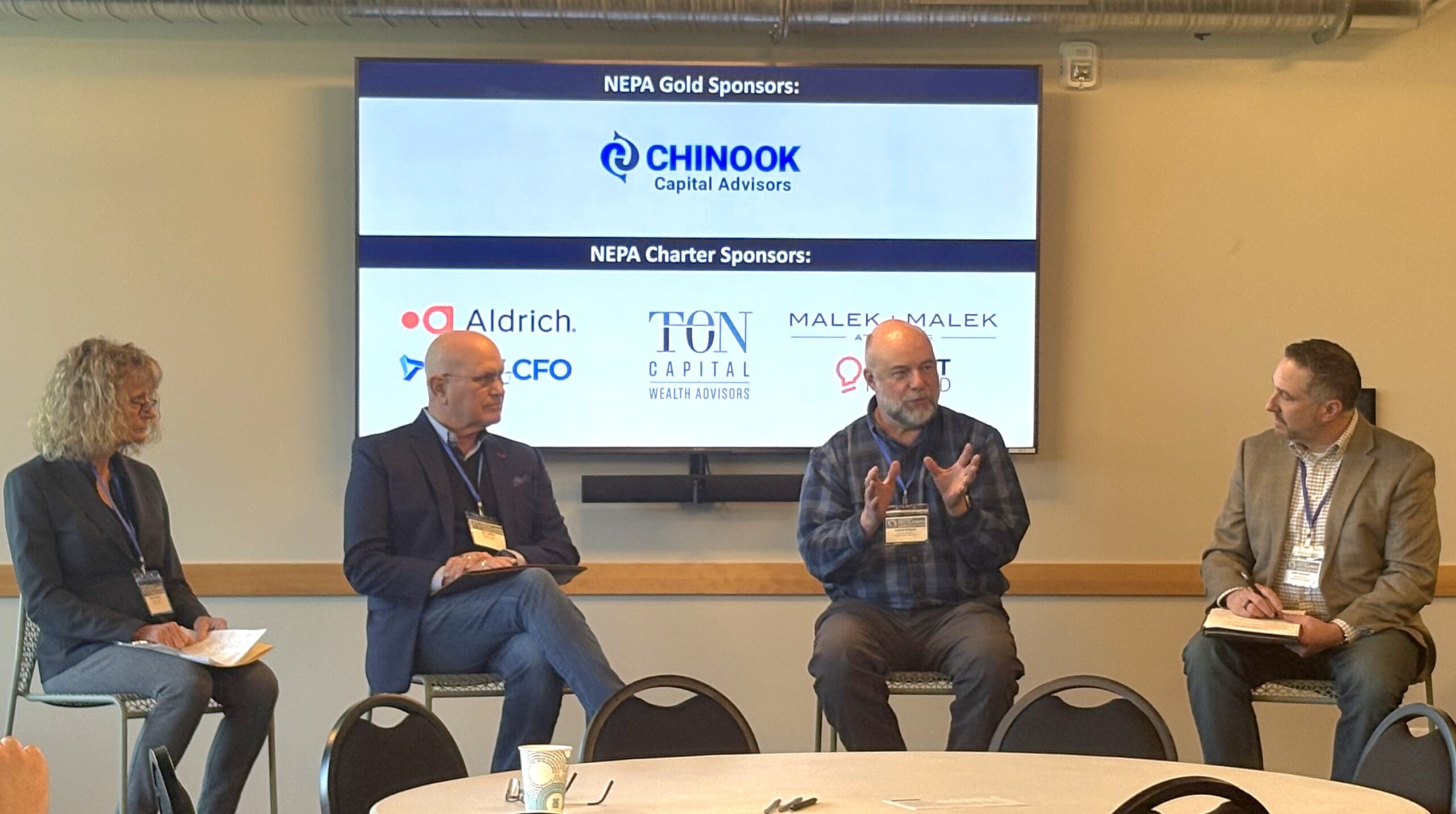
In April, NEPA members Dan Lykken, Lowell Millard and I (Debra Mervyn) discussed “Maximizing Business Value: Turning a Business into a Sellable Asset”, moderated by President Keith Atneosen. We shared insights from working with business owners to strengthen operations, develop leadership, and improve financial performance.
This article expands on Operational Value, details critical to success.
Operational Value
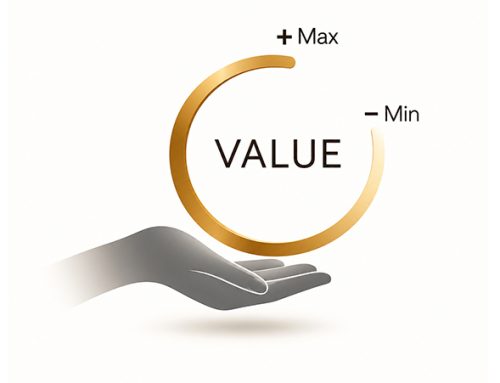
Business Value is comprised of:
- Customer Value: Reputation, competitive position, and customer loyalty.
- Financial Value: Margins, cash flow, revenue, and overall enterprise worth.
- Operational Value: Systems, processes, standard work and workforce.
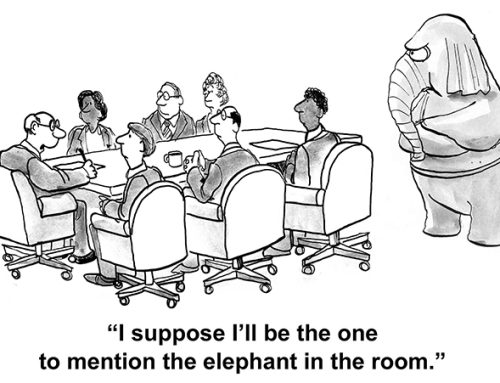
Operational Value is the foundation for Customer and Financial Value. Unfortunately, Operational Value is often overlooked and erroneously calculated, because it is not assets, revenue or headcount, or aspects which are readily apparent.
Rather it is the energy and direction of the organization.
Fnet = m • a – Net force equals mass times acceleration
E = mc2. Energy equals mass times the speed of light
What happens when friction is experienced in these familiar equations? Or chaos?
Energy or Force is lost and direction diverted. In a business, this translates into not meeting goals and the target.

Customer and Financial goals are not met due to the rocks in the road causing Friction. Some organizations wander in the desert of Operational Value and Friction, needlessly.
Friction appears as constraints, obstacles, problems, constraints, variation, and chaos and collision which deplete energy and divert direction.
Operational Value is created in balancing the relationships and optimizing the performance and interaction of Systems, Processes and Work Force and minimizing Friction. Are these factors working effectively together to achieve goals and at what cost?
To create balance and optimize performance, first identify and assess Friction. Friction or obstacles to success can be assessed with a Full Product or Service Lifecycle assessment. By going to where the activity is performed, observing, and talking with the people who do the work (Going to Gemba ) Friction is identified. It can be quantified as labor and direct/indirect costs associated with each constraint, obstacle, problem, variation, and chaos and collision. These costs are typically assigned in Financial Value Reports as overhead and admin, when they should be attributed to COGS and margins.
Process assessment and mapping reveals interrelationships between Friction and provides clear visibility of solutions. Prioritizing Friction based on cost and risk provides a comprehensive tactical plan for improvement to reach Customer, Financial and Operational goals and increase Business Value.
Typically, Operational Value, and thus Customer and Financial Value, is lost through:
- Lack of tactical planning to support Strategy
- Friction/ problems in systems, processes, and workforce
- Lack of standard, defined, documented processes (part of the organization’s IP)
- Lack of employee development and training and therefore workforce turnover
- Customer and Supplier risk
- Isolation and independent functioning of Engineering, IT and Sales functions, outside the organizations standard business requirements.
A company’s ability to sustain performance is enabled by strong leaders who own results, institutionalized and optimized systems operating in cadence to metrics, well documented and implemented standard processes, and a culture that operates independently of any one individual. Dan Lykken
How long does it take to increase Business Value?
Surprisingly a very short time, if the leadership team faces up to the Friction and are willing to change. Typically, there is so much low-lying fruit, and the issues and solutions in multiple departments or functions.

Photo-Ali Kazal-Unsplash
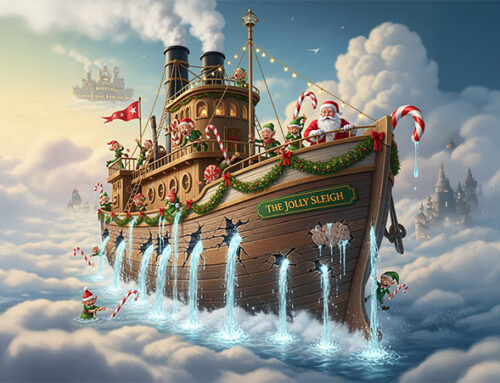
Often organizations operate at race speed like an automobile on a bumpy road to a destination to be determined. The organization is running fast, leaking oil and the brakes are going out. Momentum results in not stopping to service the vehicle or check for leaks under the car and skipping regular maintenance. The oil light comes on and the brakes come to a roaring halt. The CEO panics and calls his mechanic, only to find out the mechanic sold his company last year to a Private Equity firm.
Growth doesn’t have to come at the expense of stability.
“Sustainable growth rarely comes from dramatic risk. Instead, it comes from courage that builds on structure and preparedness. Building something new, … requires prepared infrastructure, as it does not thrive on chaos that comes from trying to “wing it”. You don’t need to choose between building something new and feeling safe, as with a clear structure and preparedness, you can design both. And when you do, growth stops feeling like a gamble and starts feeling like a strategy. “Claudia Porter, RFG Wealth Manager
Time for Action is Now!
“Actions creating value take time and discipline. The best time to plant a tree was 20 years ago and the next best time is now.” Lowell Millard
Contact Debra Mervyn (Debra@MervynGroup.com) to learn more.